Why Most AGV Projects Fail (And How a Feasibility Study Prevents It)
Industry studies show that 60-70% of AGV projects fail to meet their original ROI targets or timelines. The reasons are rarely technical failures of the robots themselves. Instead, they stem from poor planning, skipped assessments, and decisions made without proper data.
The 6 Most Common Reasons AGV Projects Fail
- Inadequate Facility Assessment – Floors that are too uneven, aisles too narrow, or lighting conditions that interfere with navigation sensors. Many companies discover these issues only after the AGVs arrive.
- Wrong AGV Type for the Application – Choosing a low-cost tugger when a high-lift forklift AGV is needed, or vice versa. This leads to constant workarounds and eventual replacement.
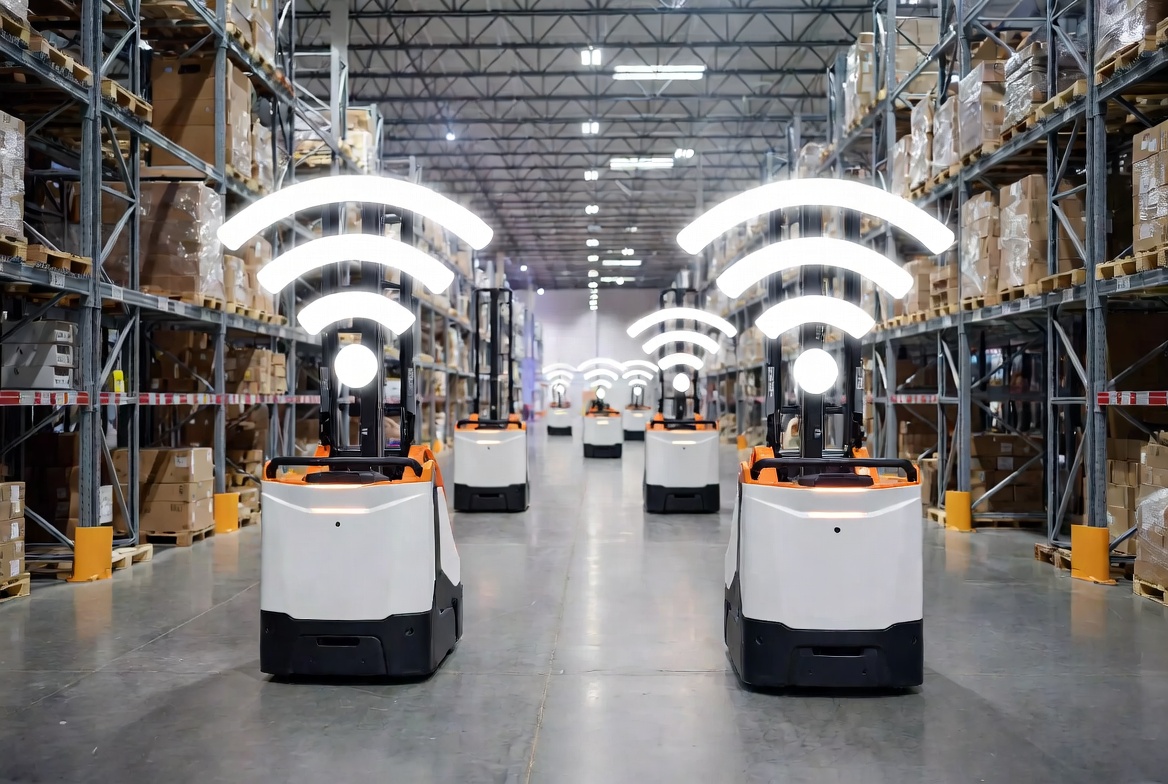
- Network Infrastructure Not Ready – Weak WiFi, dead zones, or insufficient bandwidth for real-time fleet management. AGVs constantly lose connection and stop.
- Poor Integration with Existing Systems – No clear plan for how AGVs will communicate with WMS, ERP, or MES systems. This creates data silos and manual workarounds.
- Underestimating Change Management – Operators resist the new technology, maintenance teams aren't trained, and safety protocols are incomplete. The result is low adoption and workarounds.
- No Clear ROI Model or Success Metrics – Projects are approved on vague promises of "efficiency gains" without measurable KPIs. When results are questioned, there's no data to defend the investment.
How a Feasibility Study Prevents These Failures
A professional feasibility study doesn't just tell you if AGVs are "possible." It gives you the data, risk analysis, and implementation roadmap you need to succeed. Nexus V's fixed-price Feasibility Study (delivered in 3–4 weeks for $8,500–$15,000) always includes:
- Project Background and Current State Assessment – Detailed analysis of your facility layout, floor conditions, traffic patterns, and existing systems.
- Proposed Solution & Technical Feasibility – Right-sized AGV recommendations, network requirements, integration architecture, and safety considerations.
- Financial Analysis & ROI Assessment – Detailed cost model, payback period, sensitivity analysis, and clear success metrics.
- Risks, Mitigation & Implementation Roadmap – Identified risks with mitigation strategies, phased rollout plan, and change management recommendations.
See our previous articles on The Real Cost of Automation Projects, Narrow-Aisle AGV Systems, and Why Strong WiFi Is Critical for AGV Systems to understand why proper planning is non-negotiable.
Ready to Give Your AGV Project the Best Chance of Success?
Don't become another statistic. Get the data, risk analysis, and clear roadmap you need before you invest.
Ready to give your AGV project the best chance of success?
Book Your Feasibility Study Today →