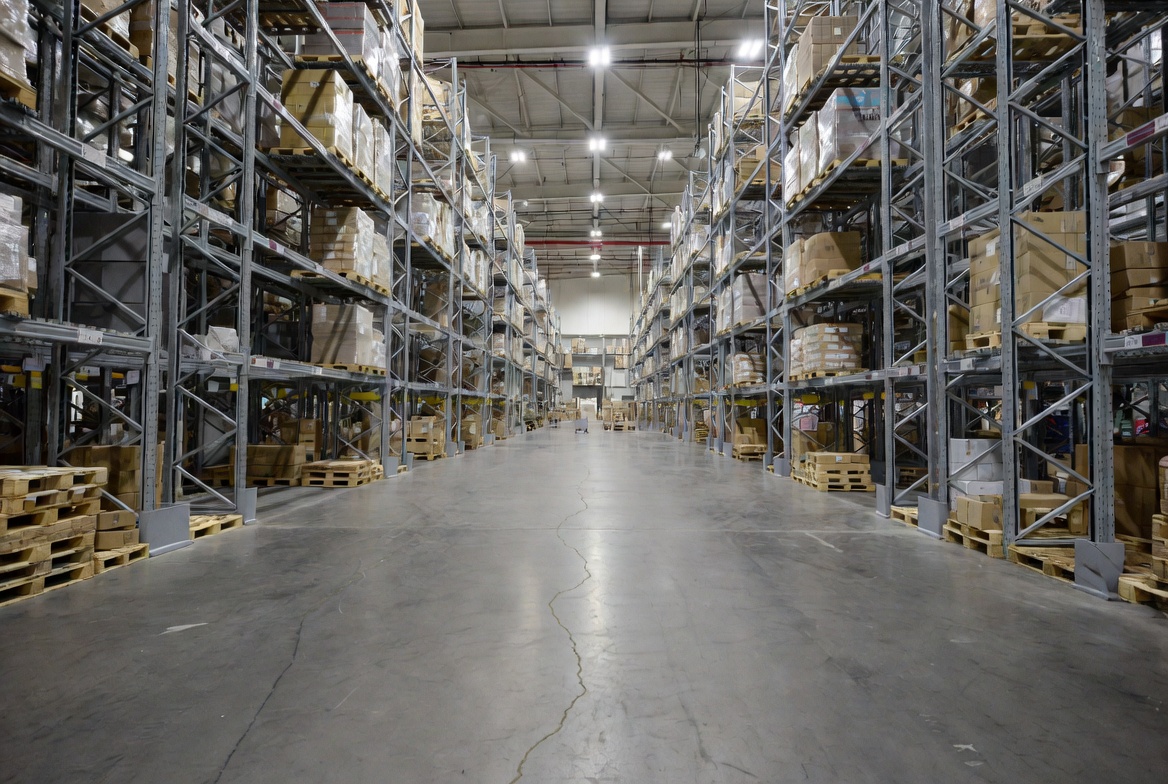
How Warehouse Floor Conditions Impact AGV Performance: What Most Facilities Overlook
Warehouse floor conditions are one of the most overlooked yet critical factors in AGV system success. Poor AGV floor conditions can cause frequent stops, reduced travel speed, increased battery consumption, premature wheel wear, and even safety incidents — all of which destroy the expected ROI of your automation investment.
Why AGV Floor Conditions Matter More Than You Think
AGVs rely on precise laser, magnetic, or vision-based navigation. Even minor variations in floor flatness, levelness, cracks, joints, or surface texture can trigger safety stops or force the vehicles to slow down dramatically.
Common Floor Problems That Kill AGV Performance
- Insufficient floor flatness (FF/FL numbers) – Most AGV manufacturers require FF 50 / FL 35 or better for reliable high-speed operation.
- Expansion joints and cracks – These create jolts that can misalign navigation or cause wheel damage.
- Slopes and uneven levelness – Excessive slope reduces payload capacity and increases energy use.
- Surface contamination and coatings – Oil, dust, or improper sealers affect traction and sensor accuracy.
- Settling or sub-base issues – Long-term movement creates new problems months after installation.
The Real Cost of Poor Warehouse Flooring for AGVs
Facilities often discover these issues only after AGVs are installed — leading to expensive retrofits, reduced throughput, and extended payback periods. A single poorly maintained floor can easily add 15-30% to your total cost of ownership.
What “Good” AGV Floor Conditions Actually Look Like
Industry standards, manufacturer specifications, and real-world performance data all point to the same requirements: high flatness tolerance, minimal joint movement, proper surface hardness, and long-term stability. AGVs often require conductive flooring to dissipate static charge generated as they drive through the facility.
How Our Fixed-Price Feasibility Study Evaluates Floor Conditions
Our comprehensive AGV feasibility study always includes a detailed floor assessment as part of the Current State Analysis and Technical Feasibility deliverables. You receive exact measurements, recommended repairs or upgrades, and a clear implementation roadmap — all before you commit to any equipment purchase. Read our earlier articles on The True Cost of Downtime in AGV Systems, Why Strong WiFi Is Critical for AGV Systems, and The Real Cost of Automation Projects.
Frequently Asked Questions About AGV Floor Conditions
What is the minimum floor flatness required for AGVs?
Most manufacturers recommend FF 50 / FL 35 or better for reliable operation at full speed.
Can existing warehouse floors be fixed or upgraded for AGVs?
Yes — in most cases with targeted grinding, joint repairs, or thin overlay systems. We can help determine the cost-effective solution.
Ready to Protect Your Next Automation Investment?
Don’t let poor floor conditions undermine your AGV project before it even starts.
Ready to ensure success of your next automation investment?
Book Your Feasibility Study Today →