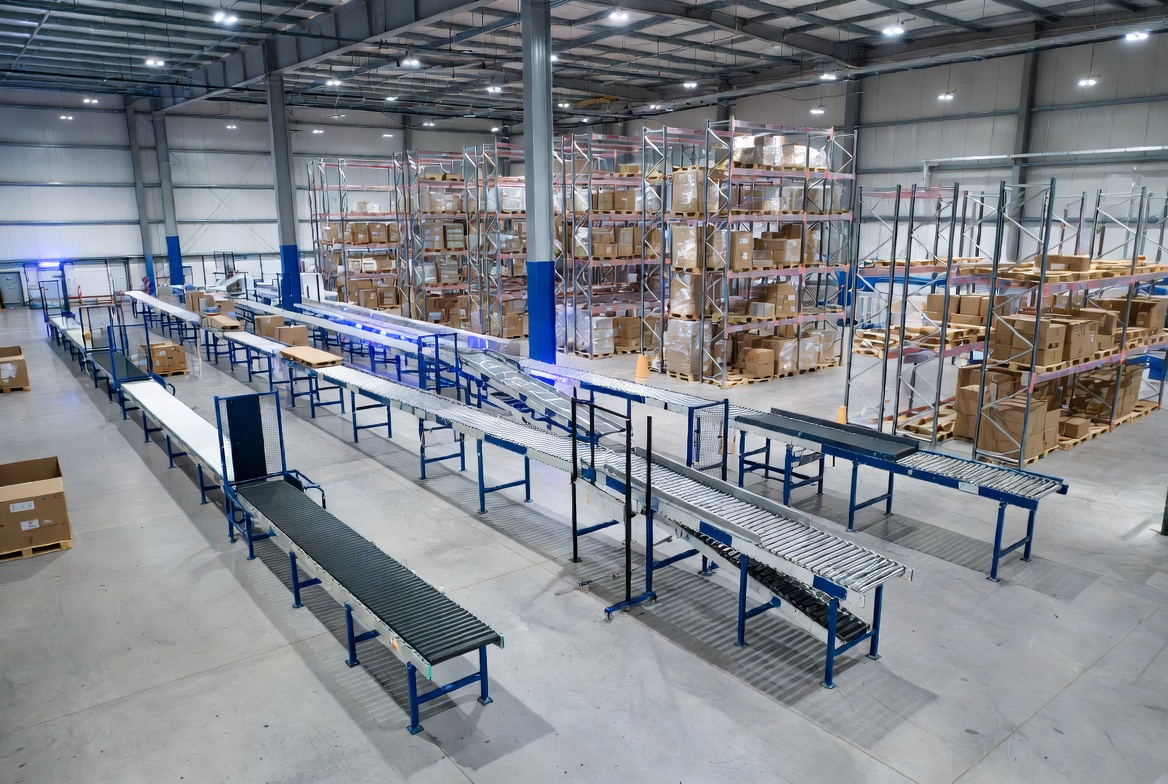
Conveyor System Design: 6 Common Mistakes That Kill Efficiency and ROI
Conveyors are often the backbone of any automation project, yet they are frequently designed as an afterthought. A poorly designed conveyor system can bottleneck throughput, increase maintenance costs, and destroy the ROI you expected from your entire automation investment.
Why Conveyor System Design Matters More Than Most Leaders Realize
In manufacturing and warehousing, conveyors move everything — raw materials, work-in-process, and finished goods. When designed correctly, they deliver smooth, reliable flow 24/7. When designed incorrectly, they become expensive sources of downtime and frustration.
The 6 Most Expensive Conveyor Design Mistakes
- Choosing the wrong conveyor type for your product and throughput – Belt, roller, chain, or overhead? The wrong choice leads to jams, damage, or insufficient speed.
- Ignoring future scalability and layout changes – Today’s layout may not work in 2–3 years when volumes or product mix change.
- Underestimating integration requirements with AGVs, robotics, and WMS/ERP – Poor interfaces create bottlenecks and unplanned downtime.
- Overlooking floor loading, power, and safety requirements – Late discoveries add significant cost and delay projects.
- Failing to account for maintenance access and spare parts availability – Systems that are hard to service become expensive over time.
- Focusing only on initial purchase price instead of total cost of ownership – Cheap conveyors often cost far more in the long run.
Our fixed-price Feasibility Study (delivered in 3–4 weeks for $8,500–$15,000) is specifically designed to surface these issues before you commit capital. You receive four clear deliverables: Project Background and Current State Assessment, Proposed Solution & Technical Feasibility, Financial Analysis & ROI Assessment, and Risks, Mitigation & Implementation Roadmap. See our previous articles on The Real Cost of Automation Projects, Narrow-Aisle AGV Systems, and How to Choose the Right AGV Vendor to understand why a thorough upfront evaluation is essential.
How a Professional Feasibility Study Protects Your Conveyor Investment
Instead of relying on vendor proposals alone, the study gives you an independent, vendor-agnostic design recommendation and realistic cost model tailored to your facility and goals.
Ready to Protect Your Next Automation Investment?
Don’t let conveyor design mistakes derail your project. Get clarity and confidence in just 3–4 weeks.
Ready to protect your next automation investment?
Book Your Feasibility Study Today →