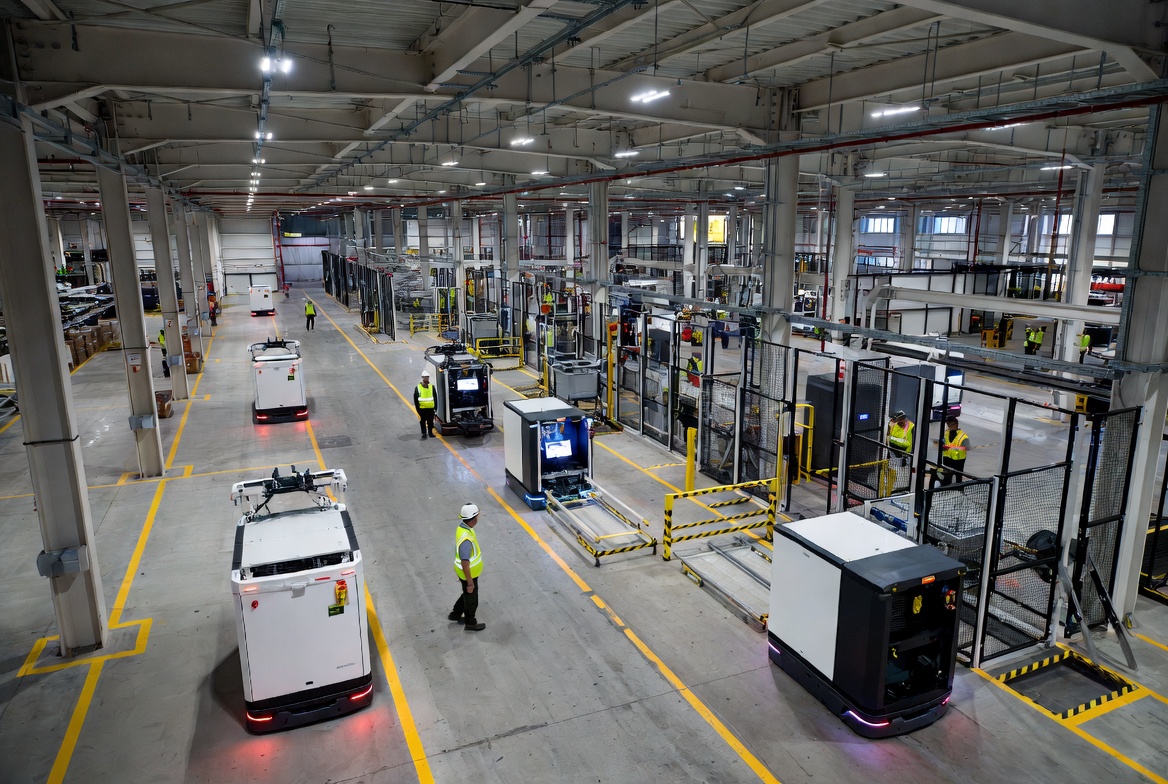
AGV Safety Systems: Essential Features and Best Practices for Safe Operations
Safety is non-negotiable when autonomous guided vehicles operate in environments shared with people. A single serious incident can halt operations, damage team morale, and create costly liability. At the same time, well-designed AGV safety systems do more than prevent accidents — they improve overall warehouse efficiency, increase vehicle utilization, and directly support faster ROI.
In this guide, we break down the essential safety technologies, regulatory requirements, and proven best practices that leading manufacturers and warehouses use to create safe, productive AGV environments.
Why Strong AGV Safety Directly Impacts ROI
Many companies view safety systems as a cost center. In reality, effective safety measures reduce unplanned downtime, lower insurance premiums, improve operator confidence, and enable higher throughput. Facilities that treat safety as a core part of their automation strategy consistently report 10–20% higher AGV utilization rates compared to those that implement minimal safety measures.
Essential AGV Safety Technologies
1. Multi-Layer Sensing Systems
Modern AGVs use redundant sensing for reliable detection:
- LiDAR (2D and 3D) — Long-range obstacle detection and environmental mapping. 3D LiDAR adds height detection for overhanging loads or people.
- Stereo Cameras / 3D Vision — Excellent for distinguishing between people, pallets, and fixed obstacles in complex environments.
- Ultrasonic Sensors — Close-range detection, especially useful for low-level obstacles or in dusty environments where LiDAR can struggle.
- Safety Bumpers + Emergency Stops — Physical last line of defense that immediately stops the vehicle on contact.
2. Intelligent Speed and Zone Management
Advanced systems use geofencing and dynamic speed control. Vehicles automatically slow down in high-pedestrian areas, near workstations, or in narrow aisles. Some systems even adjust speed based on real-time traffic density detected by onboard sensors.
3. Safety-Rated Monitored Functions
Look for safety-rated functions including safe speed monitoring, safe direction monitoring, and safe torque off. These functions are certified to ISO 13849 or IEC 62061 and provide the highest level of functional safety.
Key AGV Safety Standards and Compliance
Reputable AGV suppliers design systems to meet the following standards:
- ISO 3691-4 — Specific safety requirements for driverless industrial trucks and their systems.
- ISO 12100 — General principles for machinery risk assessment and risk reduction.
- ISO 13849 — Safety-related parts of control systems (Performance Levels).
- IEC 62061 — Functional safety of electrical control systems.
Always ask vendors for their safety certification documentation during the evaluation process.
Best Practices for Safe AGV Implementation
1. Perform a Formal Risk Assessment Early
Conduct a thorough risk assessment before finalizing the layout. This should identify all potential hazards (collisions, crushing, falling loads, etc.) and define risk reduction measures. Involve operations, maintenance, and safety teams in this process.
2. Design Clear Traffic Separation
Use a combination of physical barriers, floor markings, and signage to separate AGV routes from main pedestrian walkways wherever possible. In shared spaces, implement clear right-of-way rules and visual/audible warnings on the vehicles.
3. Invest in Comprehensive Training
Training should cover how AGVs move and stop, what the warning signals mean, and how to interact safely with the vehicles. Include refresher training and new-hire onboarding.
4. Implement Layered (Defense-in-Depth) Safety
Never rely on a single safety measure. Combine sensing technology, speed/zone control, physical barriers, clear procedures, and ongoing training for the strongest protection.
5. Plan for Maintenance and Updates
Safety systems require regular inspection and testing. Software updates can also affect safety functions — always validate safety performance after any major update.
AGV Safety Technology Comparison
| Technology | Primary Strength | Detection Range |
|---|---|---|
| 2D LiDAR | Long-range scanning | Up to 30+ meters |
| 3D LiDAR / Vision | Height + object recognition | 10–20 meters |
| Ultrasonic Sensors | Close-range reliability | 0.2–5 meters |
| Safety Bumpers | Physical contact detection | Contact only |
| Safety-Rated Control | Certified functional safety | N/A (control level) |
Real-World Examples
Example 1: A large distribution center experienced multiple near-misses after deploying AGVs with only basic 2D LiDAR. After upgrading to 3D vision systems and implementing dynamic speed zoning in pedestrian areas, near-miss incidents dropped by over 90% and overall system uptime improved because operators no longer stopped work out of caution.
Example 2: An automotive supplier conducted a full risk assessment during the feasibility study phase. They identified high-risk zones near assembly lines and installed physical safety fencing combined with light curtains. The result was zero recordable safety incidents in the first 18 months and faster-than-expected ROI because the project avoided costly retrofits.
Common Mistakes to Avoid
- Relying on a single sensor type instead of layered protection
- Skipping or rushing the formal risk assessment
- Under-investing in training for everyone who works near the AGVs
- Ignoring dynamic environments (changing layouts, seasonal peaks, or new equipment)
- Failing to validate safety performance after software or layout changes
Key Takeaways
- Partner with an AGV manufacturer that puts safety at the forefront of design.
- Modern AGV safety technology is highly effective when properly specified and implemented.
- A formal risk assessment early in the project is essential.
- Layered safety (technology + procedures + training) provides the strongest protection.
- Good safety systems improve utilization and ROI, not just risk reduction.
- Safety requirements and features should be clearly defined during the feasibility study phase.
Related reading: AGV Total Cost of Ownership (TCO): How to Calculate the True Cost of Your Automation Investment and Top 7 Challenges in AGV Implementation Projects (And How to Overcome Them).
Ready to protect your next automation investment?
Book Your Feasibility Study Today →